Your clinic pathway
A clear pathway. Findings brought together.
The clinic team arranges MRI with contrast of both calves and blood tests before your appointment. Professor Lee then reviews the findings, examines you and carries out consented compartment pressure testing at the same booked visit. Together, the findings guide your diagnosis and treatment plan.
Both calves, with contrast
The clinic’s dedicated CECS protocol.
Before and after exercise
The clinic’s panel includes CK measurements.
Part of the full picture
Findings considered with your lower-leg assessment.
Measurement with exercise
At your consultation, following assessment and consent.

Start with the person
Start with your symptoms and existing records
You do not need a confirmed CECS diagnosis to begin. Describe where symptoms occur, what exercise brings them on, the time or distance to onset and what changes after stopping. Include previous investigations and treatments. The clinic team coordinates your MRI and blood tests so your first appointment with Professor Lee brings those investigation results together.
You can enter the clinic pathway directly. When the ExtPress™ app becomes available, its diary and separate records for each leg will support this history: calf and thigh circumference, leg and thigh lengths, and before- and after-exercise measurements. These records support assessment; they do not establish a diagnosis.
Professor Lee’s pathway
MRI → blood tests → consultation and pressure testing → your plan.
Contrast MRI
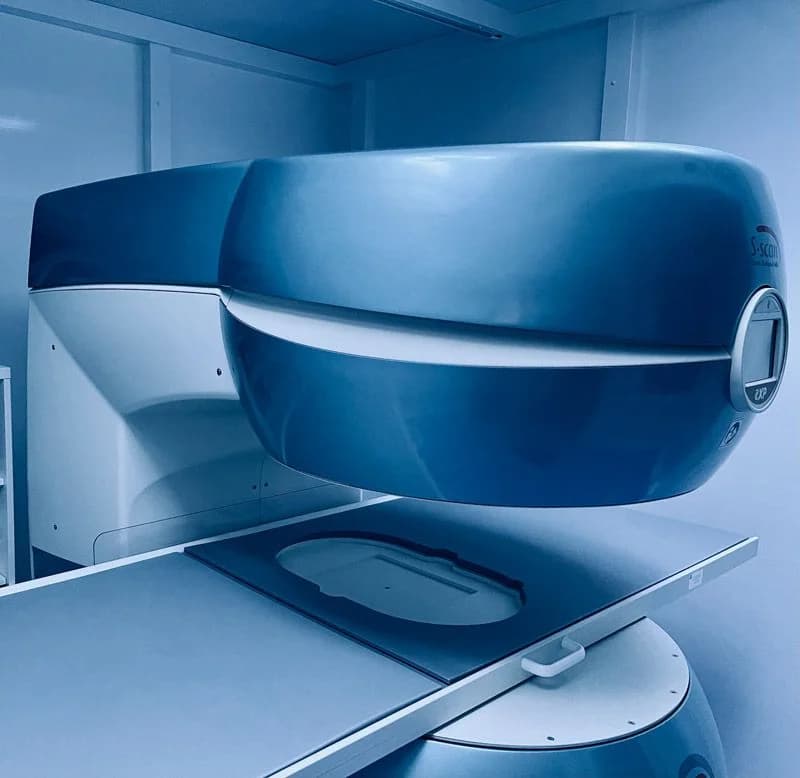
MRI with contrast of both calves
The clinic team arranges MRI with contrast of both calves using its dedicated CECS imaging protocol. If you already have an MRI, the team checks whether it covers both calves and meets the required protocol before arranging further imaging. The scan assesses the lower-leg tissues, possible abnormalities and alternative causes of symptoms. The imaging team reviews your medical history and contrast suitability before the scan.
The MRI is completed before the consultation and compartment testing, so Professor Lee has the investigation findings available to review with you.
“What are we looking for, and how would the answer change my care?”A question you can ask
Muscle response before and after exercise
Blood tests close to your MRI
The clinic team arranges blood tests close in time to the MRI and before the consultation and compartment testing. These include creatine kinase (CK) samples before and after exercise. CK is an enzyme found in muscle; the results contribute information about the muscle response to activity.
The clinic uses a specific blood panel; exercise and sample timing follow its agreed blood-testing protocol. Professor Lee brings together your symptoms, examination, MRI, blood results and pressure readings to explain the findings and recommend treatment or further investigation.
- Before exercise
A baseline CK blood sample.
- After exercise
A second sample to review the CK response.
- Findings together
CK, MRI, measurements, symptoms and pressure.
Included in your assessment
Foot scan
A foot scan is included in the complete assessment package. The team explains what the scan records and how the findings contribute to the assessment of your feet and lower legs.
It is one part of the wider assessment, rather than a standalone test for CECS. Professor Lee considers the findings alongside your symptoms and other investigations.
Exercise. Measurement. Clinical insight.
Consultation and compartment pressure testing
At your booked clinic visit, Professor Lee reviews your history, MRI, blood results and any available records, then examines you. His physical assessment includes height, the thigh-to-cleft length ratio and maximum calf circumference. Following assessment and consent, compartment pressure testing takes place during the same visit. Local anaesthetic is used for comfort.
A fine needle connects to a small pressure-measuring device in each compartment being tested: anterior, lateral, superficial posterior and deep posterior. Exercise reproduces your usual symptoms. The clinic records pressure at rest, directly after exercise and five minutes after exercise.
Professor Lee interprets the pressure response alongside the other findings. The clinician explains the procedure and risks, including bleeding, infection and nerve injury. Compartment testing supports diagnosis; compartment release is a separate treatment procedure. Pressure-test protocols differ between services.
NHS: compartment syndrome · Vogels et al. (2022): clinical consensus on lower-leg CECS
Common questions
When will I see Professor Lee?
The clinic team first coordinates your MRI and blood tests. Your first appointment with Professor Lee brings those results together for review. Examination and consented compartment pressure testing take place at that same booked visit.
Is pressure testing the same as compartment release?
No. Pressure testing measures the response to exercise and supports diagnosis. Compartment release is a separate treatment that opens the fascia around affected muscles.
Do I need the ExtPress™ app before booking?
No. ExtPress™ is in development, and you can enter the clinic pathway directly. Bring your symptom notes, previous reports and scan access details; the team explains how to provide records securely.